
Collection: The Pigment & Redness Protocol
Pigment keeps coming back for two reasons most routines never address: visible light, and heat. This is the sequence our clinical team actually uses — for melasma, sun damage, and skin that runs red.
Why your sunscreen may only be solving half the problem
SPF is a measure of UVB protection. Broad spectrum adds UVA. Neither number tells you anything about visible light — the part of the spectrum you can actually see, which passes through window glass, comes off screens, and is present on overcast days. Visible light is an established driver of pigment, and it matters most in exactly the skin types most prone to melasma.
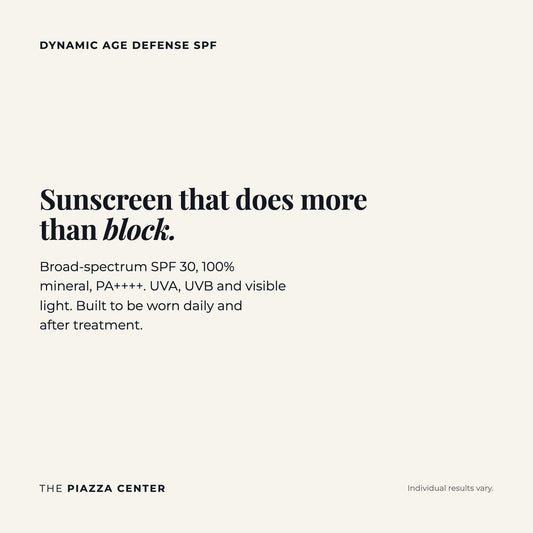
The ingredient that addresses it is iron oxide, which is why a tinted sunscreen outperforms the same untinted formula for pigment, and why an excellent clear mineral SPF can still let melasma creep back. Pavise Dynamic Age Defense is built around this problem — its DiamondCore® filter is designed for visible light as well as UV, without the white cast that makes most mineral sunscreens unwearable on deeper skin tones.
If you take one thing from this page: for pigment, tinted beats untinted, and coverage of visible light matters more than a higher SPF number.
The heat trigger nobody mentions
Melasma responds to heat as well as to light, and the two are easy to confuse because they arrive together. It is why pigment flares through an Austin summer even in someone who never misses sunscreen, why it turns up after hot yoga, a steam room or a long stretch at a stove, and why melasma is notoriously easy to worsen with an aggressive laser — the thermal energy itself can drive it.
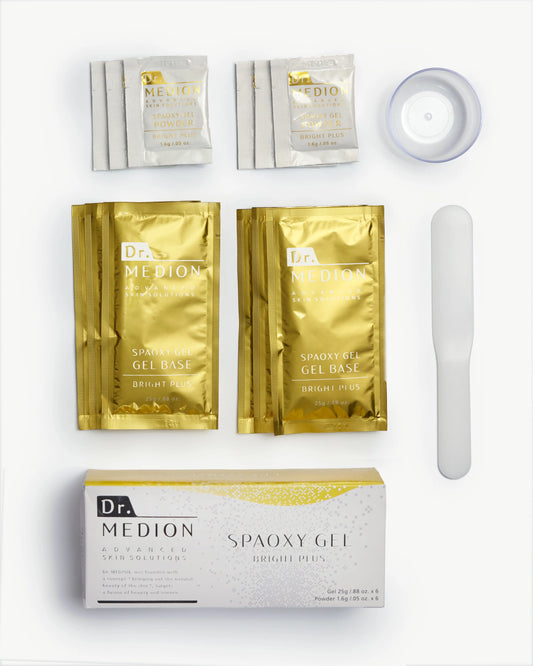
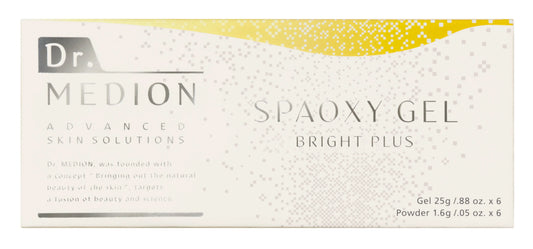
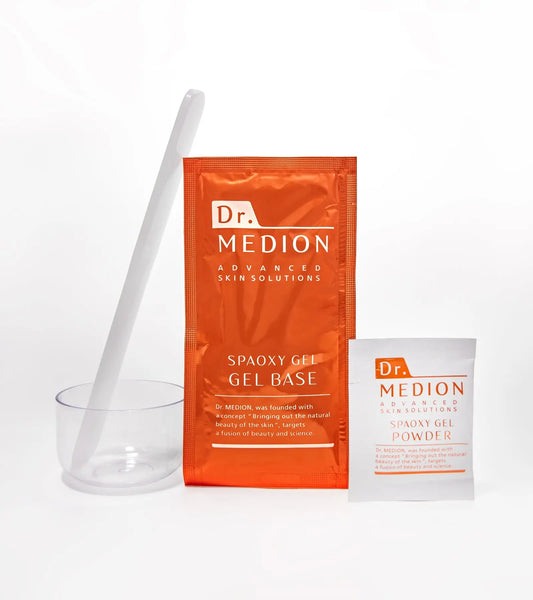
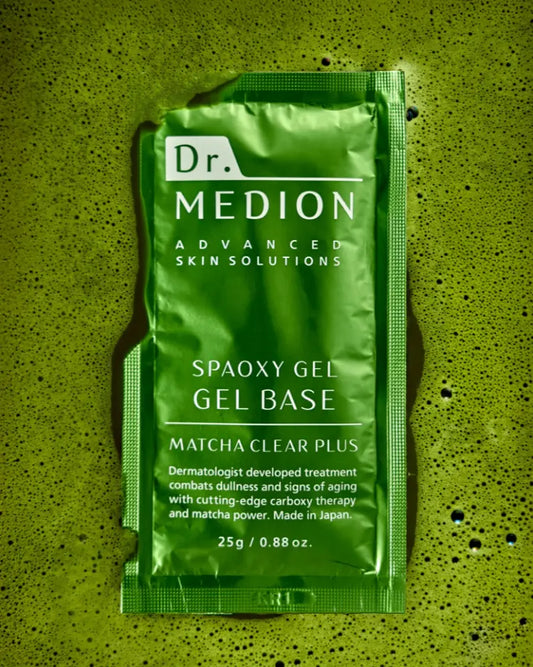
Cooling is therefore a real step in a pigment routine, not a spa flourish. Carboxy therapy masks — the Dr. Medion Spaoxy gels and the Spaoxy Matcha CO&sub2; mask — are what we use to cool and calm skin after heat exposure, after a treatment, or at the end of a flushed day. Spaoxy Gel Bright Plus does double duty: carboxy cooling plus vitamin C for tone.
The protocol, step by step
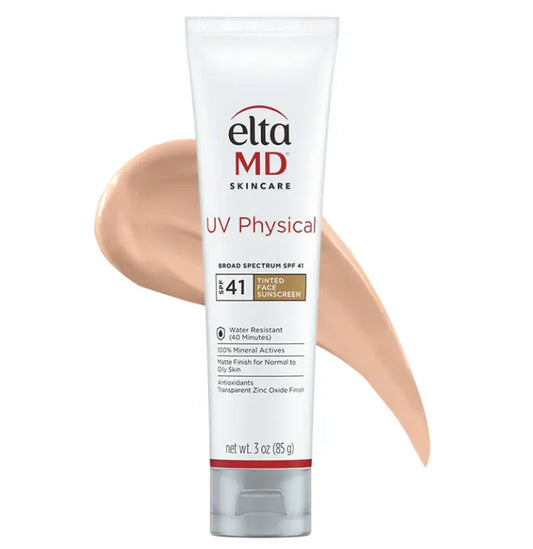
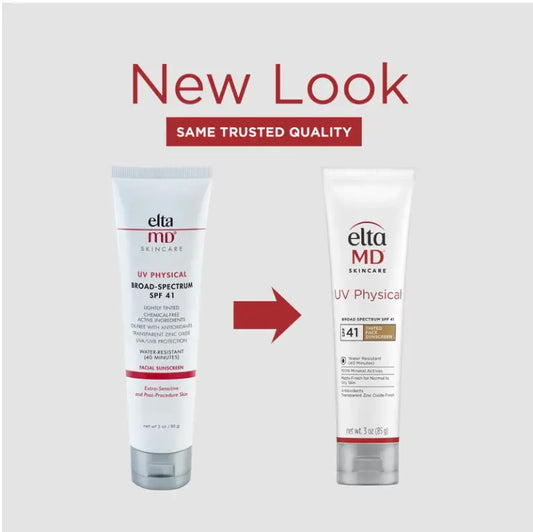
Every morning — protection, without exception. Pigment protocols fail on consistency, not on product selection. Pavise Dynamic Age Defense SPF 30 is our first choice for visible-light coverage. EltaMD UV Clear Tinted SPF 46 and UV Physical Tinted SPF 41 are both iron-oxide tinted and both excellent — UV Physical is all-mineral, which suits reactive and rosacea-prone skin.
Every night — the fade step. Pavise Bioadaptive Stress Repair is the nightly half. Pavise formulates it with a dyspigmentation complex intended to work on several pigment pathways at once, alongside barrier components and peptides, and states that its DiamondCore® technology doubles absorption of the other bioactives in the formula. Those are Pavise's data and we present them as Pavise's.
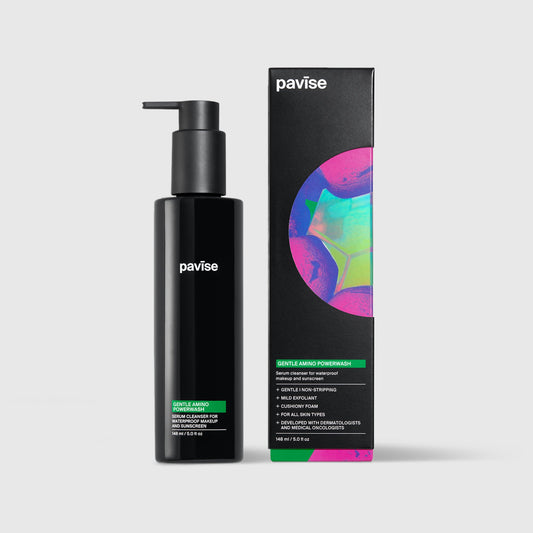
Cleansing — the step that quietly breaks pigment routines. Mineral sunscreen is designed to resist removal, which is what you want all day and the problem at night. Under-cleansing leaves residue; over-cleansing strips the barrier, and a compromised barrier makes pigment and redness worse. Pavise Gentle Amino Powerwash takes mineral SPF off without that trade-off.
Targeted correction — last, not first. skinbetter science Even Tone Correcting Serum goes in once protection, cooling and barrier care are already consistent. Added earlier, a corrective serum tends to disappoint, because it is working against daily re-exposure.
What happened when our own aesthetician tested it
Before Bioadaptive Stress Repair went on our shelf, Kari — our medical aesthetician — ran it nightly for three months, through a Texas summer. What she reported at the end: a marked drop in pigmentation across her cheeks, no rosacea flares over the whole period, more even tone, and softer fine lines.
That is one person on our own staff, not a clinical trial, and individual results vary. We are telling you because it is the reason the product is on the shelf at all — we do not stock something none of us has lived with.
What a bottle cannot do
Topicals manage pigment. They do not end it. Melasma in particular is a chronic, relapsing condition — influenced by hormones and heat as well as light, it recurs, and no product on this page or anywhere else cures it. Meaningful change in established pigment usually needs in-office treatment as well, chosen carefully for the heat reason above.
That is a conversation with our clinical team, not a purchase. If pigment is the reason you are here, the most useful thing you can do is get it looked at before you spend months on products alone.
The Piazza Center is a board-certified plastic surgery practice in Austin, Texas, led by Dr. Rocco Piazza, MD, FACS.
Melasma, rosacea and post-inflammatory hyperpigmentation are medical conditions and should be assessed by a qualified provider. These products are cosmetics, intended to support the appearance of even tone and calm skin; they are not intended to diagnose, treat, cure or prevent any condition. Individual results vary.

-
Pavise Dynamic Age Defense SPF 30 — 100% Mineral Sunscreen, No White Cast, 30 ml
Regular price $148.00Regular priceUnit price per -
Pavise Bioadaptive Stress Repair — Topical Biostimulator Night Serum, 30 ml
Regular price $228.00Regular priceUnit price per -
Pavise Gentle Amino Powerwash — Mineral Sunscreen Cleanser, 148 ml
Regular price $64.00Regular priceUnit price per -
EltaMD UV Clear Face Sunscreen - Tinted SPF 46
Regular price $45.00Regular priceUnit price per -
EltaMD UV Physical Broad-Spectrum SPF 41 Tinted Sunscreen
Regular price $30.80Regular priceUnit price per$44.00Sale price $30.80Sale -
Dr. Medion Spaoxy Gel Bright Plus – Vitamin C Brightening Face Mask for Dark Spots & Sun Damage (6 Pack
Regular price $125.00Regular priceUnit price per -
Dr. Medion Spaoxy Gel Carboxy Therapy Mask (3-Treatment Set)
Regular price $66.00Regular priceUnit price per -
Spaoxy Matcha CO₂ Gel Mask — Japanese Matcha Carboxy Therapy for Clear, Calm Skin
Regular price From $39.00Regular priceUnit price per$89.00Sale price From $39.00Sale







New Arrivals
-
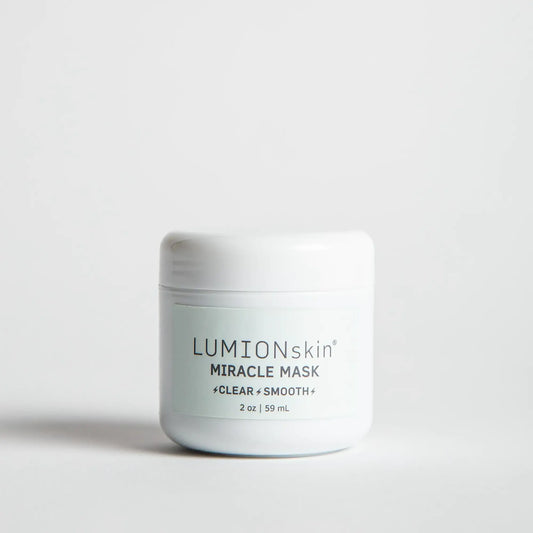
Lumion Miracle Mask | Hypochlorous Acid Mud Mask for Acne & Redness
Regular price $34.00Regular priceUnit price per -
VISO - FDA Certified Red Light Therapy Mask
Regular price From $479.00Regular priceUnit price per$599.00Sale price From $479.00Sale -
EXO ELITE™ Skin Longevity Serum
Regular price $224.00Regular priceUnit price per -
EXO ELEVATE™ Skin Longevity Complex
Regular price $169.00Regular priceUnit price per


Complete Your Regenerative Skincare Protocol
-

CLEANSE
Shop CleansersBegin with a medical-grade cleanser to remove impurities and prepare skin for treatment.
-

SERUM
Shop SerumsApply a potent serum with growth factors and peptides to penetrate deeply and activate regeneration.
-

CREAM
Shop CreamsLock in benefits with a nourishing moisturizer to support barrier function and cellular repair.
-

PROTECT
Shop SPFSun protection is essential to preventing premature aging. Medical-grade SPFs hand-selected by Dr. Piazza.


