
Which one is right for me?
Two questions. We only show you what is actually in stock — and if nothing fits, we say so instead of guessing.
Nothing in stock is an exact match for that right now. Rather than send you the wrong thing, here is the full range — or call the clinic and we will tell you what we would put you on.
Browse all medical-grade moisturizers | physician-selected by dr. piazza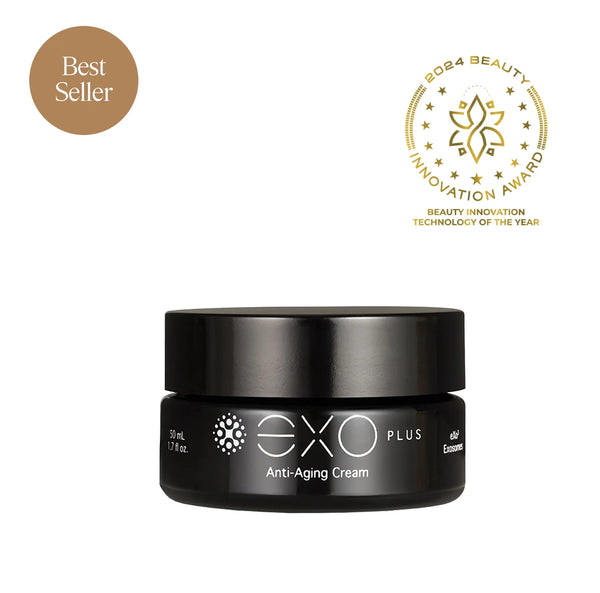
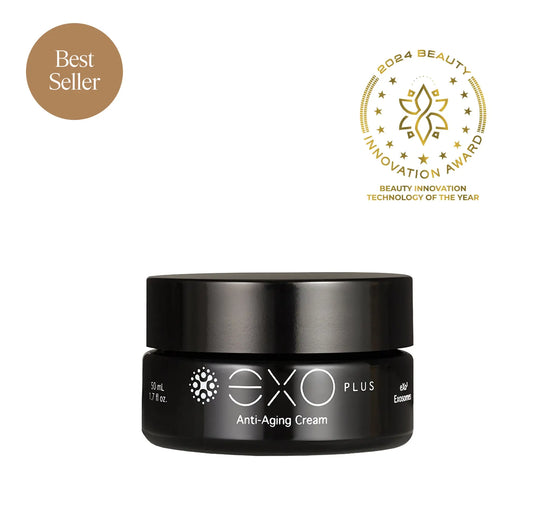
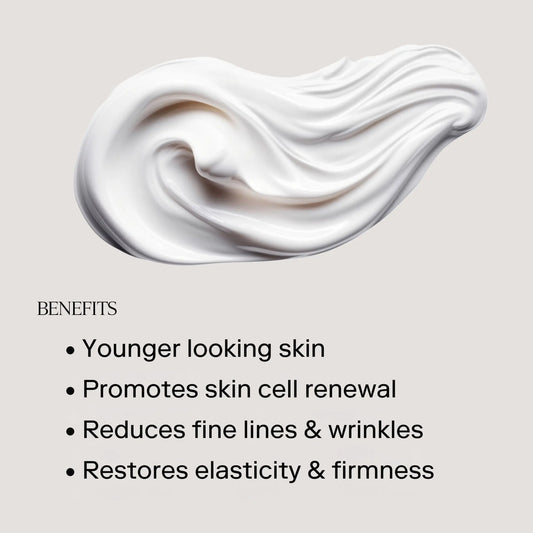
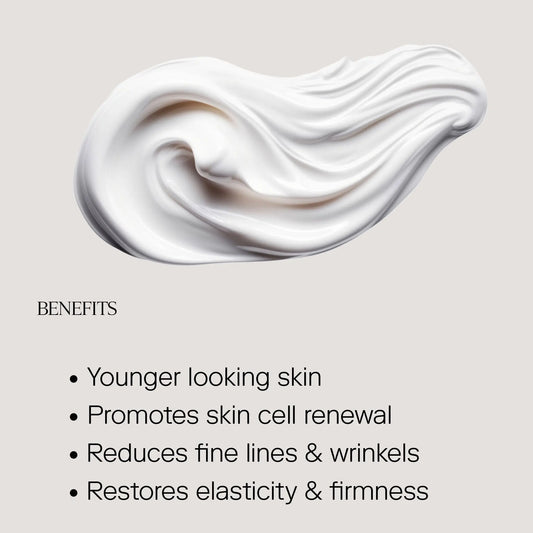
EXO PLUS® Exosome Anti-Aging Cream with eXo³ Technology
The richest cream in the line — built for mature, dry or crepey skin. Formulated by stem cell scientist Dr. Robin Smith.
$195.00
See why it fits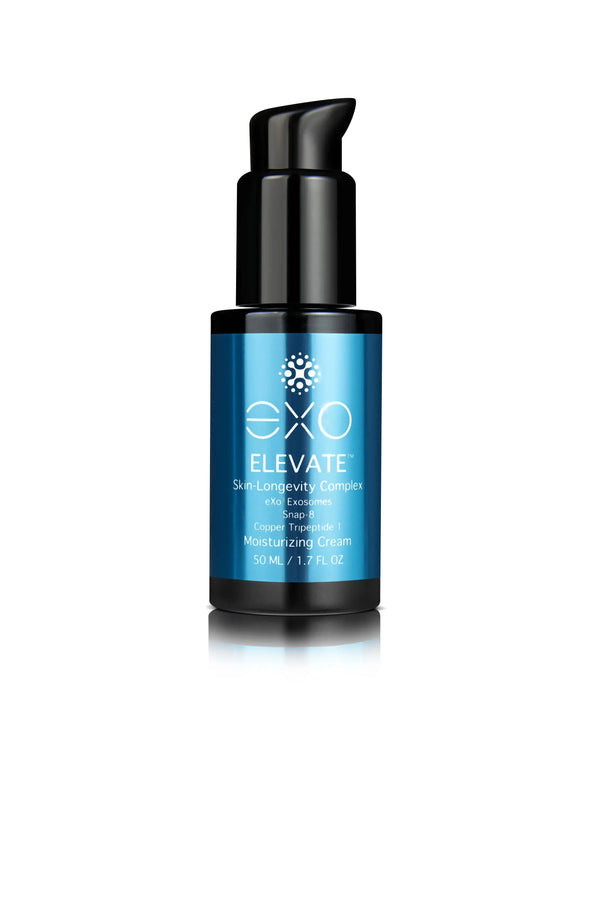
EXO ELEVATE™ Skin Longevity Complex
The thick, occlusive one — a rich daily moisturizer that seals everything in. For dry or mature skin.
$169.00
See why it fits
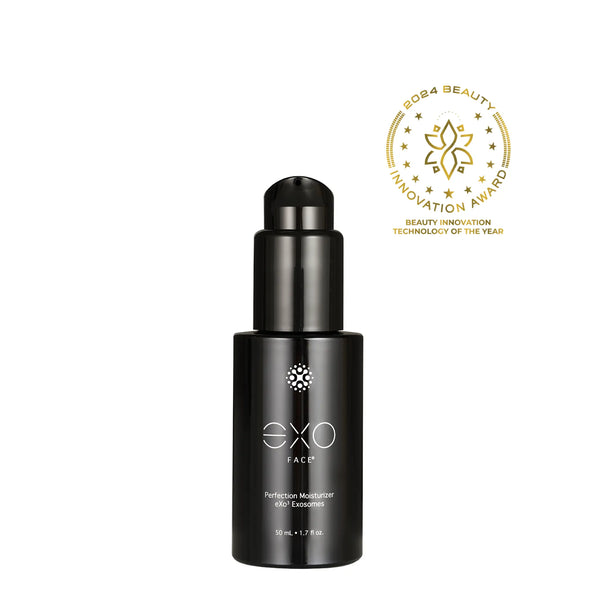
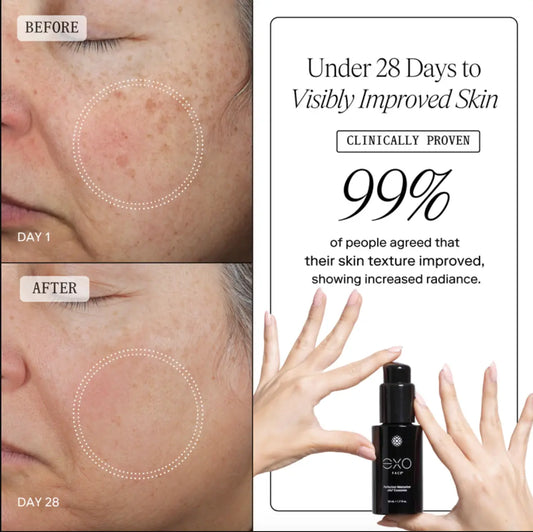
EXO FACE Perfection Moisturizer
One good step — fragrance-free, sits under sunscreen, for skin that reacts to most things.
$104.30
See why it fits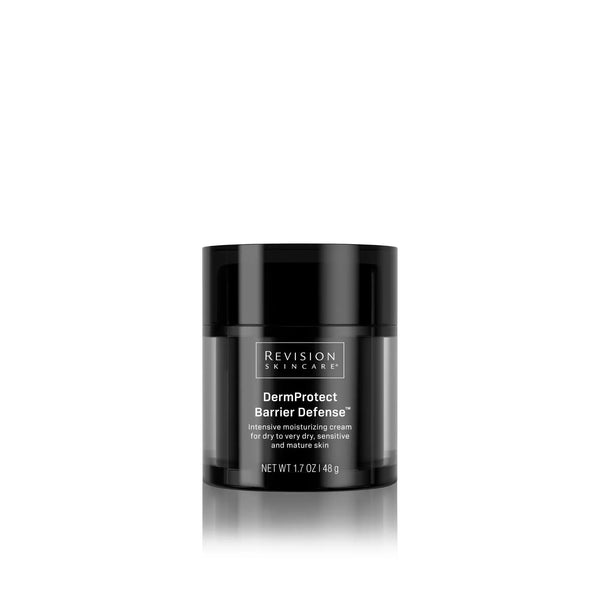
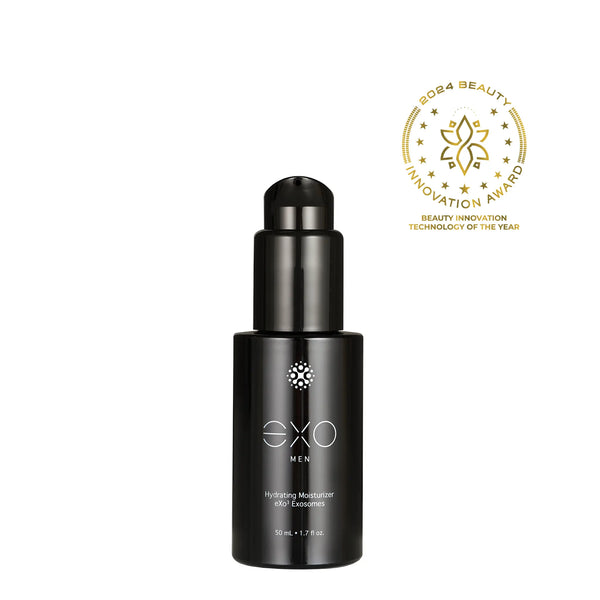
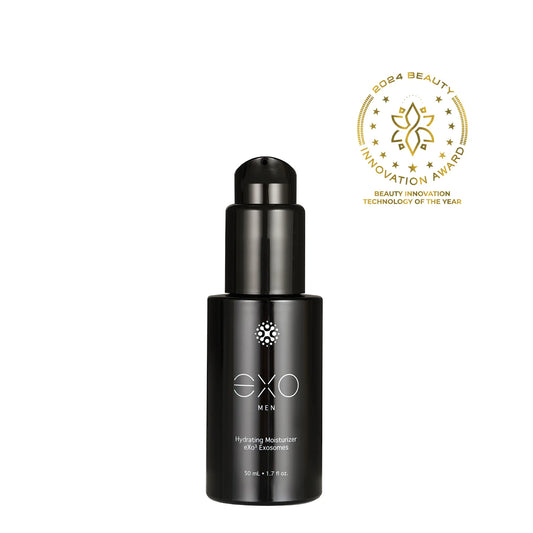
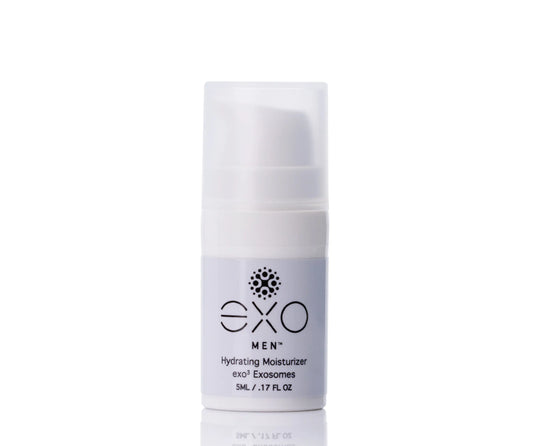
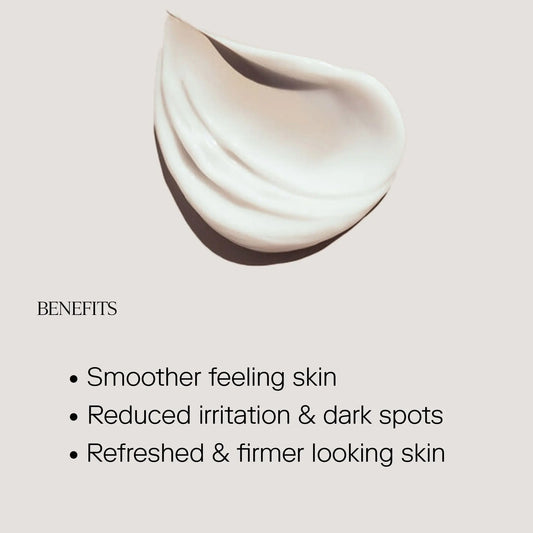
EXO MEN Hydrating Moisturizer
The men's one-step moisturizer — absorbs fast, no shine, formulated for post-shave comfort.
$90.30
See why it fits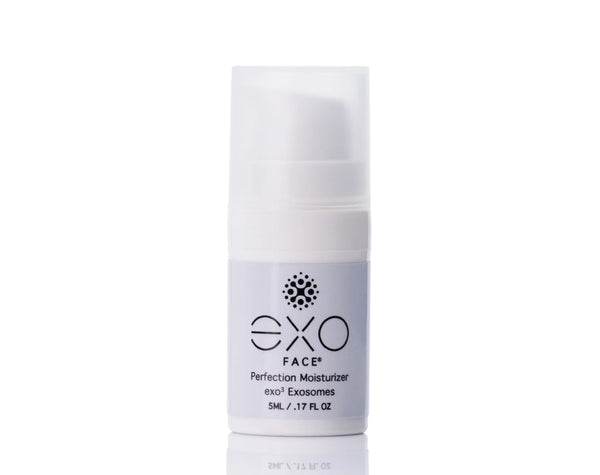
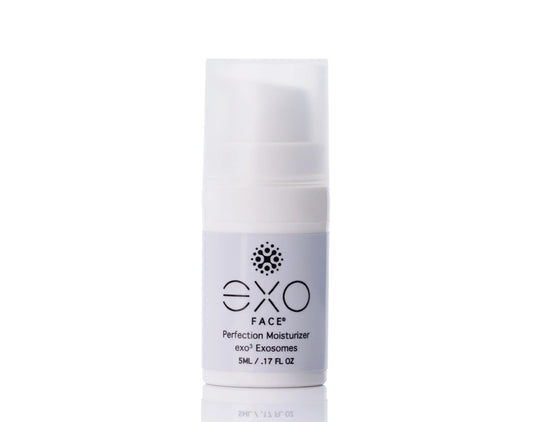
EXO FACE® - Perfection Moisturizer - Travel Size, 4 bottles - 5ML / .17 fl oz (x4)
Travel-size of the everyday moisturizer, four bottles.
$64.95
See why it fits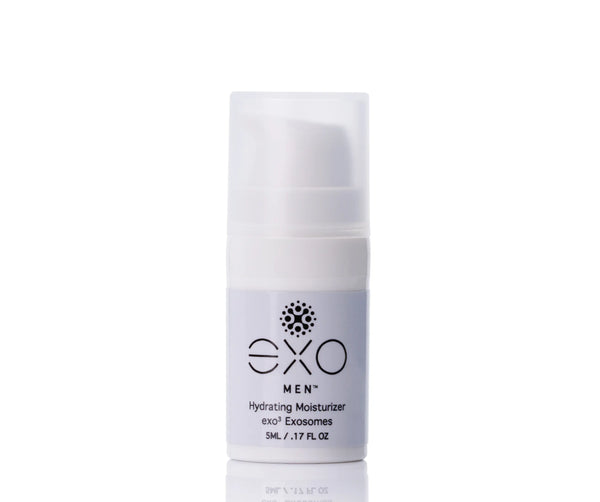
EXO MEN™ - Hydrating Moisturizer - Travel Size, 4 bottles - 5ML / .17 fl oz (x4)
Travel-size of the men's moisturizer, four bottles — fragrance-free, post-shave.
$59.95
See why it fits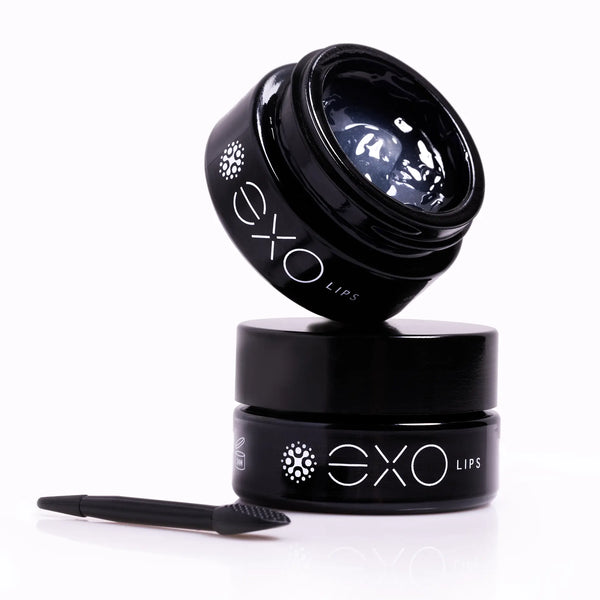

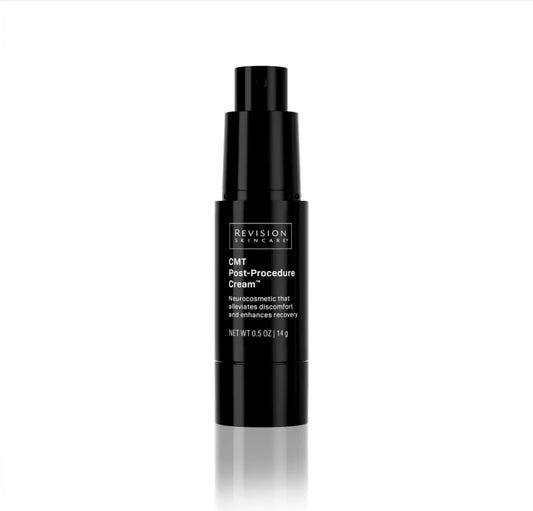
Revision CMT Post Procedure Cream For Laser, Microneedling, Chemical Peels
For post-procedure recovery
$38.50
See why it fits-
EXO PLUS® Exosome Anti-Aging Cream with eXo³ Technology
Regular price $195.00Regular priceUnit price per -
EXO ELEVATE™ Skin Longevity Complex
Regular price $169.00Regular priceUnit price per -
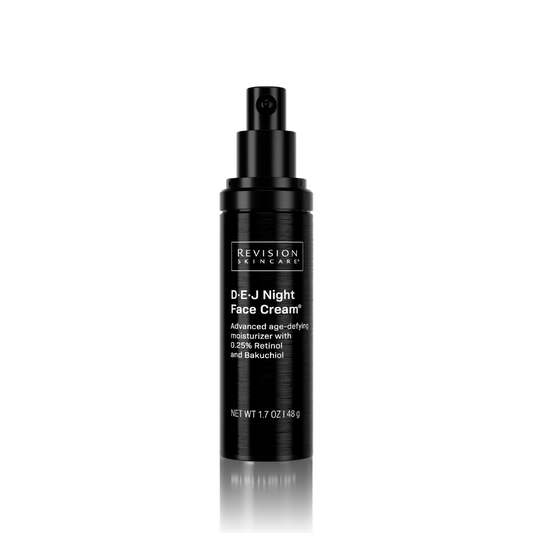
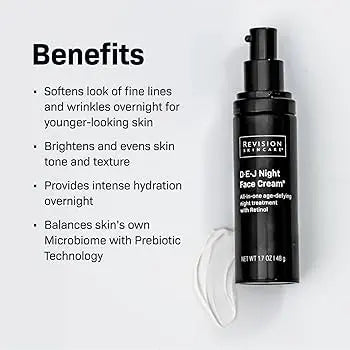
Revision Skincare® D·E·J Night Face Cream
Regular price $129.50Regular priceUnit price per$185.00Sale price $129.50Sale -
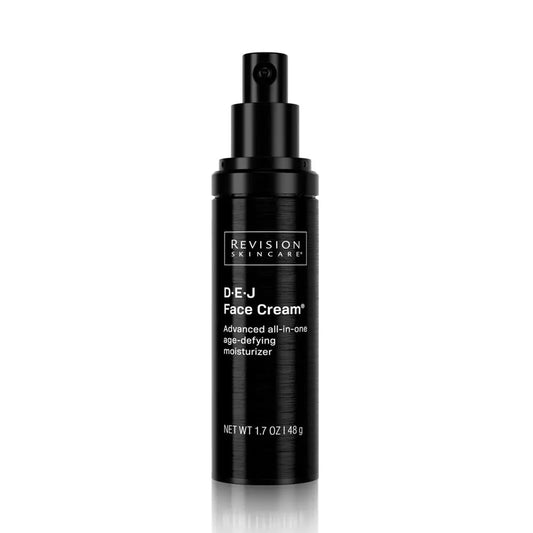
Revision Skincare D·E·J Face Cream® 1.7 oz With Growth Factors
Regular price $119.00Regular priceUnit price per$170.00Sale price $119.00Sold out -
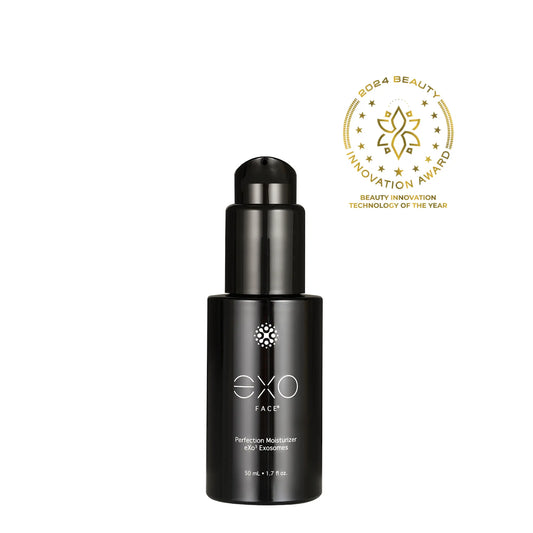
EXO FACE Perfection Moisturizer — Exosome Face Cream for Fine Lines, 50 ml
Regular price $104.30Regular priceUnit price per$149.00Sale price $104.30Sale -
Revision Skincare® DermProtect Barrier Defense
Regular price $98.00Regular priceUnit price per$140.00Sale price $98.00Sale -
EXO MEN Hydrating Moisturizer — Exosome Face Cream for Men, 50 ml
Regular price $90.30Regular priceUnit price per$129.00Sale price $90.30Sale -
EXO FACE® - Perfection Moisturizer - Travel Size, 4 bottles - 5ML / .17 fl oz (x4)
Regular price $64.95Regular priceUnit price per -
EXO MEN™ - Hydrating Moisturizer - Travel Size, 4 bottles - 5ML / .17 fl oz (x4)
Regular price $59.95Regular priceUnit price per -
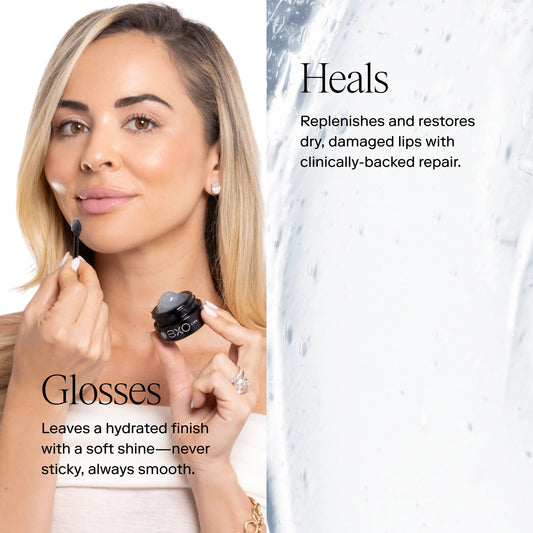
EXO LIPS™ Lip Balm for Lip Lines & Perioral Wrinkles
Regular price $54.00Regular priceUnit price per -
Revision CMT Post Procedure Cream For Laser, Microneedling, Chemical Peels
Regular price $38.50Regular priceUnit price per$55.00Sale price $38.50Sale -
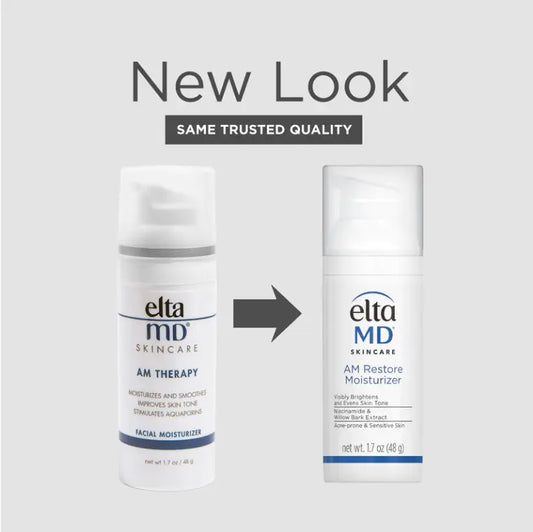
EltaMD AM Restore Moisturizer With Niacinamide
Regular price $30.80Regular priceUnit price per$44.00Sale price $30.80Sold out -

 Sold out
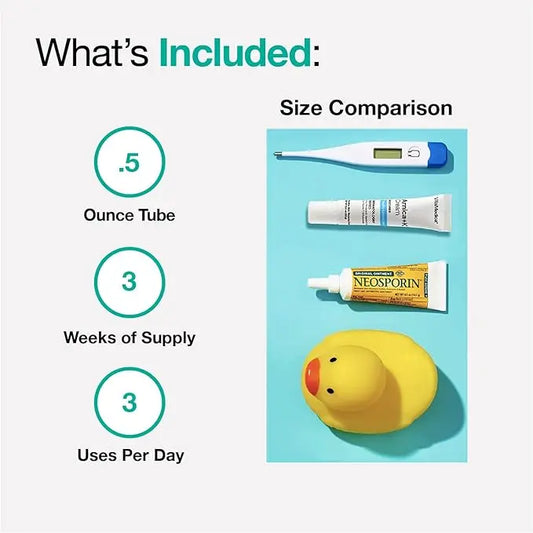
Arnica+K Recovery Cream
Regular price $30.00Regular priceUnit price per








New Arrivals
-
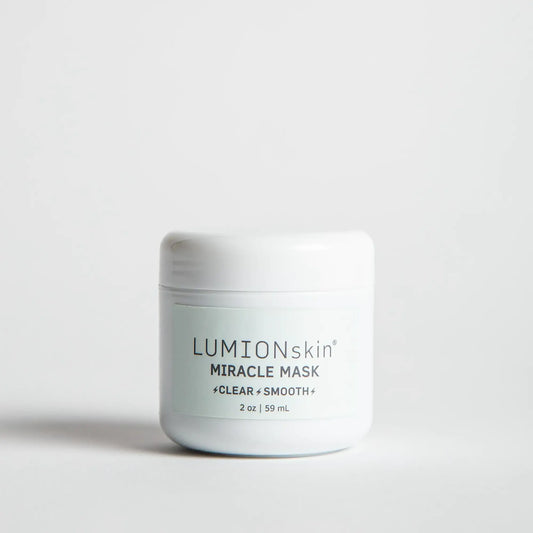
Lumion Miracle Mask | Hypochlorous Acid Mud Mask for Acne & Redness
Regular price $34.00Regular priceUnit price per -
Lumara VISO Red Light Therapy Mask — 470 Micro-LEDs, 5-Minute Session
Regular price From $479.00Regular priceUnit price per$599.00Sale price From $479.00Sale -
EXO ELITE™ Skin Longevity Serum
Regular price $224.00Regular priceUnit price per -
EXO ELEVATE™ Skin Longevity Complex
Regular price $169.00Regular priceUnit price per


Complete Your Regenerative Skincare Protocol
-

CLEANSE
Shop CleansersBegin with a medical-grade cleanser to remove impurities and prepare skin for treatment.
-

SERUM
Shop SerumsApply a potent serum with growth factors and peptides to penetrate deeply and activate regeneration.
-

CREAM
Shop CreamsLock in benefits with a nourishing moisturizer to support barrier function and cellular repair.
-

PROTECT
Shop SPFSun protection is essential to preventing premature aging. Medical-grade SPFs hand-selected by Dr. Piazza.


