


Silagen
Silagen 100% Silicone Scar Gel, 15 g — Medical-Grade Silicone
Silagen 100% Silicone Scar Gel, 15 g — Medical-Grade Silicone
“My goal is to provide my patients with the highest quality, scientifically-backed solutions to support their wellness journey. Each product is formulated with that same commitment to excellence and efficacy.”
Learn more about Dr. Piazza →Couldn't load pickup availability
Silagen 100% Silicone Scar Gel — Medical-Grade Silicone, 15 g
Silagen 100% Silicone Scar Gel is a medical-grade silicone gel that dries to a thin, flexible layer. Silicone is the most widely recommended topical option in scar-management guidelines, and a clear gel suits long or curved scars where sheeting is difficult to keep in place.
Why silicone
- Hydration and occlusion: the silicone layer limits moisture loss from the scar, which is the mechanism behind silicone's role in scar management.
- First-line in the guidelines: silicone gel and sheeting are the most widely recommended topical options for new scars.
- Clear and flexible: dries quickly, sits invisibly under clothing, and covers curved or lengthy areas a sheet cannot.
- Simple format: fragrance-free, 15 g tube.
How to use
- Use only on fully closed, intact skin, once a clinician has advised that topical scar care is appropriate. Not for use on open wounds.
- Smooth a very thin layer over clean, dry skin twice daily and let it dry before dressing.
- Stay consistent — scar care is generally continued for several months rather than several weeks.
- Silicone is not a sunscreen. Where a scar will see daylight, Silagen Scar Gel SPF 30 adds broad-spectrum protection in the same step.
In Dr. Piazza's practice
This gel is step one of the scar protocol used at The Piazza Center in Austin, Texas. Patients are typically cleared for topical scar care once the wound has fully closed; the protocol runs for the first 6 to 8 months, moving to the SPF version as a scar matures and loses its pink color, often around 12 weeks. Full details are in Dr. Piazza's scar protocol.
Both steps together: the Silicone Scar Care Kit.
Size: 15 g. Individual results vary. This product supports, and does not replace, clinical advice. Discontinue use and contact your care team if irritation occurs.




The Piazza Protocols
Hand-selected by board-certified plastic surgeon Dr. Rocco Piazza, MD, FACS, to meet the highest standards in medical-grade skincare.
🛡️ Board-Certified Plastic Surgeon
🔬 Backed by Clinical Expertise & Research
Advanced Retinol Protocol
Reduce fine lines and improve skin texture through medical-grade retinoid therapy.
Brightening Complex Protocol
Target dark spots and uneven tone with clinical-strength brightening agents.
Clinical Acne Control Protocol
Clear active breakouts and prevent future acne with medical-grade formulations.
Advanced Retinol Protocol
Skin Preparation
Begin with gentle cleanser and barrier repair serum to prepare skin for active treatment.
Retinol Introduction
Introduce 0.25% retinol 2-3 times per week, monitoring for tolerance.
Gradual Increase
Increase frequency to nightly application as tolerated.
Strength Advancement
Progress to 0.5% retinol formulation for enhanced results.
Maintenance Phase
Continue nightly application with quarterly clinical assessments.
Brightening Complex Protocol
Assessment & Prep
Clinical photography and baseline assessment with gentle exfoliation.
Active Treatment
Apply brightening serum with hydroquinone alternative twice daily.
Enhancement Phase
Add vitamin C serum in morning routine for synergistic effects.
Progress Evaluation
Clinical reassessment and protocol adjustment as needed.
Long-term Maintenance
Continue maintenance regimen with SPF 50+ daily protection.
Clinical Acne Control Protocol
Barrier Restoration
Gentle cleansing and barrier support to prepare for active treatment.
Benzoyl Peroxide Introduction
Begin 2.5% benzoyl peroxide application every other evening.
Salicylic Acid Addition
Add 2% salicylic acid serum in morning routine for pore refinement.
Retinoid Integration
Introduce retinoid 2-3 times weekly for enhanced cell turnover.
Maintenance & Prevention
Continue full protocol with monthly clinical monitoring.
Find Your Solution
Discover medical-grade skincare tailored to your specific concerns


Surgeon-Curated Systems
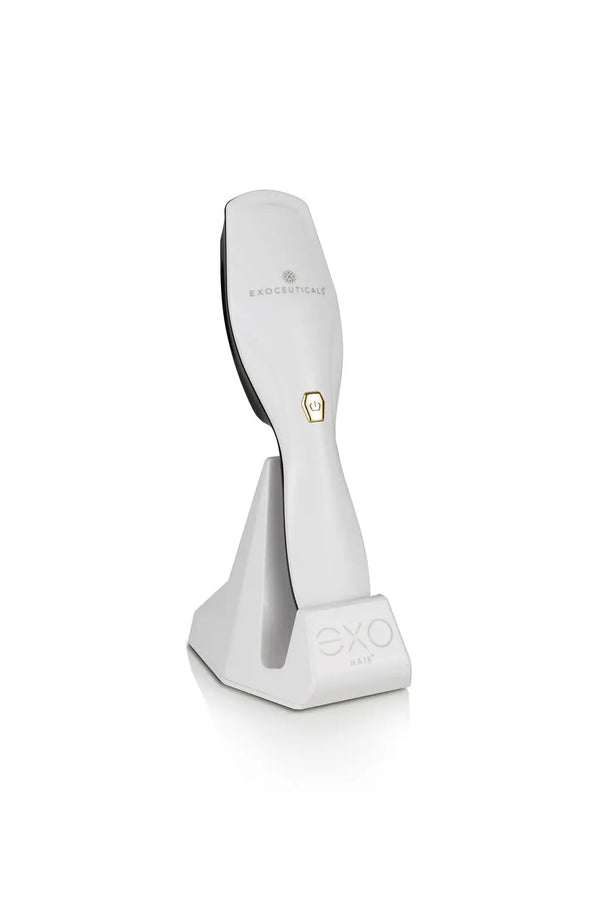

EXO HAIR™ Red Light LED Hair Brush
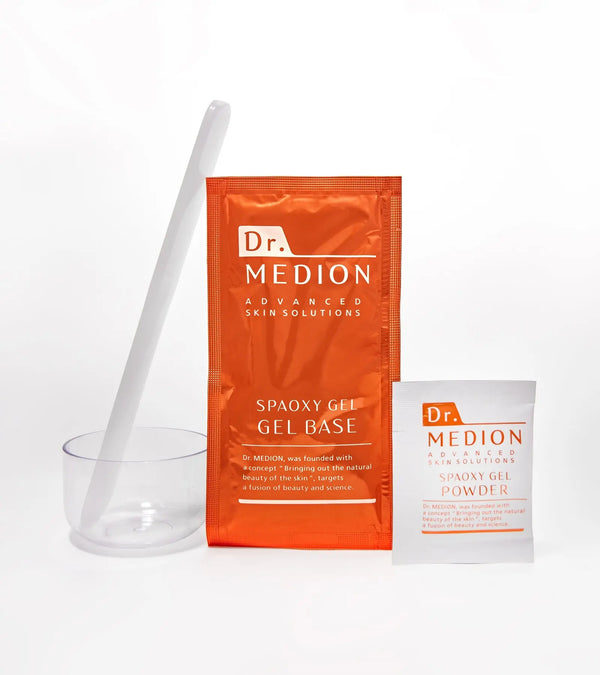

Dr. Medion Spaoxy Gel Carboxy Therapy Mask (3-Treatment Set)


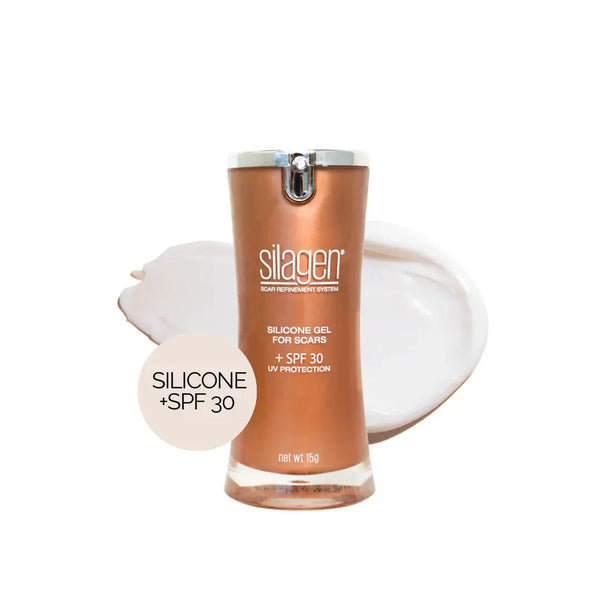

Silagen Silicone Scar Gel SPF 30 — Silicone Gel With Broad-Spectrum Sunscreen
Silagen 100% Silicone Scar Healing Gel FAQs
How does Silagen 100% Silicone Scar Gel work?
Silagen forms a transparent, breathable silicone barrier over the scar that locks in hydration and applies gentle, consistent pressure. This is the same mechanism used in medical-grade silicone sheeting, but in a fast-drying gel format. The hydration and occlusion signal the skin to slow excess collagen production - which is what flattens and fades the scar over time
When should I start using Silagen after surgery?
Start Silagen as soon as your incision is fully closed and any sutures or staples are removed - typically around 3 to 4 weeks after surgery - and only after your surgeon clears you. Do not apply to open wounds. Once cleared, daily use during the first 3 to 6 months of healing delivers the strongest results, because that is when scars are most actively remodeling.
How long should I use Silagen scar gel?
For most surgical scars, use Silagen twice daily for at least 60 to 90 days. Many patients continue for the full 6 months of active scar remodeling. Older scars can still benefit but typically require longer, consistent use to soften and fade.
Does Silagen work on old scars, keloids, or hypertrophic scars?
Yes. Silagen is most effective on newer scars (under 12 months) but also softens and fades older hypertrophic and keloid scars. For raised or thickened scars, Dr. Piazza may recommend pairing Silagen with in-office treatments such as steroid injections, laser resurfacing, or scar revision for stronger results.
Can I wear sunscreen and makeup over Silagen?
Yes. Silagen dries to a thin, flexible film in about 2 to 3 minutes. Once fully dry, you can apply sunscreen, makeup, or other skincare on top. UV protection over the scar is essential - sun exposure during healing is the most common cause of permanent dark scar pigmentation.
How long does a 15g tube of Silagen last?
A 15g tube typically lasts 30 to 60 days when used twice daily on a single surgical scar (such as a tummy tuck or breast augmentation incision). A little goes a long way - apply a thin, even layer rather than a thick coat.
What is the difference between silicone scar gel and silicone scar sheets?
Both use the same mechanism (silicone occlusion and hydration), and both are clinically proven to fade scars. Sheets are best for flat, accessible areas like a tummy tuck scar overnight. Gel is better for the face, joints, contoured areas, or anywhere a sheet won't stay in place. Many patients use sheets at night and gel during the day.
Are there any side effects?
Silicone scar gel is well tolerated by most skin types and is considered safe for sensitive skin. Stop use and contact The Piazza Center if you experience irritation, rash, or itching that does not resolve. Do not use on open wounds or active infections.