

Revision Skincare
Revision Skincare Radiance+ Resurfacing Serum 1 oz
Revision Skincare Radiance+ Resurfacing Serum 1 oz
“My goal is to provide my patients with the highest quality, scientifically-backed solutions to support their wellness journey. Each product is formulated with that same commitment to excellence and efficacy.”
Learn more about Dr. Piazza →Couldn't load pickup availability
Wake Up to Smoother, Clearer Skin with Revision Radiance+ Resurfacing Serum
The Revision Skincare Radiance+ Resurfacing Serum is an overnight multi-acid treatment built to do the work of a professional exfoliating session while you sleep. It combines more than 15% total alpha, beta and polyhydroxy acids in a formula buffered to a skin-neutral pH — which is what allows it to resurface meaningfully without the sting, flaking and downtime that usually come with an acid this strong.
✨ Key Benefits:
- Smooths the look of rough, uneven texture for a softer, more refined surface
- Helps clear the appearance of congestion and visibly minimizes pores
- Brightens dull skin and restores an overnight glow
- Exfoliates gently, with hydration and postbiotic support built into the formula
- Doubles as a fast reset before an event or a special occasion
How to Use: Apply 6–8 drops to clean, dry skin in the evening. Smooth over the face, neck and décolletage, avoiding the eye area. Use 2–3 times per week, or as tolerated. Always follow with a broad-spectrum SPF the next morning.
Size: 1 fl. oz. / 30 mL
Why the pH Matters
Most high-percentage acid products get their punch from a low pH, and that is also where the irritation comes from. Radiance+ is formulated at a pH closer to the skin's own, then leans on the breadth of its acid blend rather than sheer aggressiveness — small AHA molecules for surface renewal, salicylic acid to get into the pore, and larger polyhydroxy acids that work more slowly at the surface while drawing in moisture. The result is a serum most people can use two to three nights a week without the peeling cycle.
Key Ingredients
- Glycolic, Lactic and Mandelic Acids (AHAs) — loosen the bonds between dull surface cells to reveal smoother, brighter skin.
- Salicylic Acid (BHA) — oil-soluble, so it works inside the pore to address the look of congestion and blackheads.
- Gluconolactone (PHA) — a larger, gentler acid that exfoliates at the surface while acting as a humectant.
- Lactobacillus Ferment — a postbiotic that supports the skin barrier through the resurfacing process.
- Prickly Pear (Opuntia) Fruit Extract — an antioxidant-rich botanical that helps soothe and hydrate.
Who It's For
A strong fit if your skin looks dull or feels rough, if makeup catches on uneven texture, or if you get congestion and clogged pores but can't tolerate a traditional glycolic peel. It is also a useful maintenance step between in-office treatments — it keeps the surface polished so the results of your professional work show through.
How to Work It Into Your Routine
Start at two nights a week on clean, completely dry skin, and build from there only if your skin stays comfortable. Use it in place of your retinol on those nights rather than layering the two — stacking them is the fastest route to a compromised barrier. Follow with your usual moisturizer, and be disciplined about sunscreen the next day; freshly resurfaced skin is measurably more sun-sensitive. If you have an event coming up, a single use two nights before tends to give the cleanest result.
Please pause use for at least a week before and after any in-office resurfacing, laser or peel treatment. If you are unsure, ask our team at your next visit.
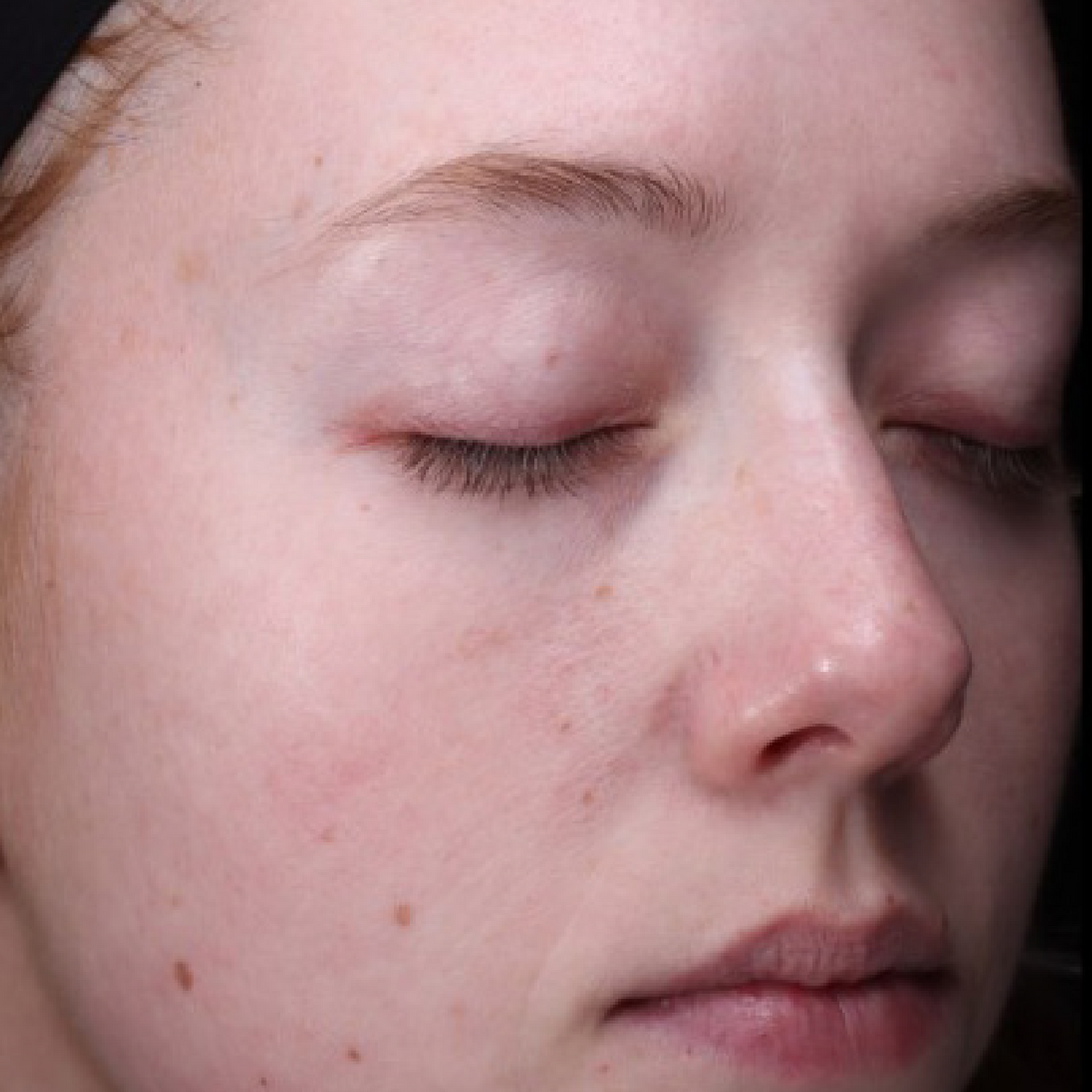
Before-and-after photography supplied by Revision Skincare. Individual results may vary.
Curated by the team at The Piazza Center for Plastic Surgery & Advanced Skincare in Austin, Texas.




The Piazza Protocols
Hand-selected by board-certified plastic surgeon Dr. Rocco Piazza, MD, FACS, to meet the highest standards in medical-grade skincare.
🛡️ Board-Certified Plastic Surgeon
🔬 Backed by Clinical Expertise & Research
Advanced Retinol Protocol
Reduce fine lines and improve skin texture through medical-grade retinoid therapy.
Brightening Complex Protocol
Target dark spots and uneven tone with clinical-strength brightening agents.
Clinical Acne Control Protocol
Clear active breakouts and prevent future acne with medical-grade formulations.
Advanced Retinol Protocol
Skin Preparation
Begin with gentle cleanser and barrier repair serum to prepare skin for active treatment.
Retinol Introduction
Introduce 0.25% retinol 2-3 times per week, monitoring for tolerance.
Gradual Increase
Increase frequency to nightly application as tolerated.
Strength Advancement
Progress to 0.5% retinol formulation for enhanced results.
Maintenance Phase
Continue nightly application with quarterly clinical assessments.
Brightening Complex Protocol
Assessment & Prep
Clinical photography and baseline assessment with gentle exfoliation.
Active Treatment
Apply brightening serum with hydroquinone alternative twice daily.
Enhancement Phase
Add vitamin C serum in morning routine for synergistic effects.
Progress Evaluation
Clinical reassessment and protocol adjustment as needed.
Long-term Maintenance
Continue maintenance regimen with SPF 50+ daily protection.
Clinical Acne Control Protocol
Barrier Restoration
Gentle cleansing and barrier support to prepare for active treatment.
Benzoyl Peroxide Introduction
Begin 2.5% benzoyl peroxide application every other evening.
Salicylic Acid Addition
Add 2% salicylic acid serum in morning routine for pore refinement.
Retinoid Integration
Introduce retinoid 2-3 times weekly for enhanced cell turnover.
Maintenance & Prevention
Continue full protocol with monthly clinical monitoring.
Find Your Solution
Discover medical-grade skincare tailored to your specific concerns


Surgeon-Curated Systems
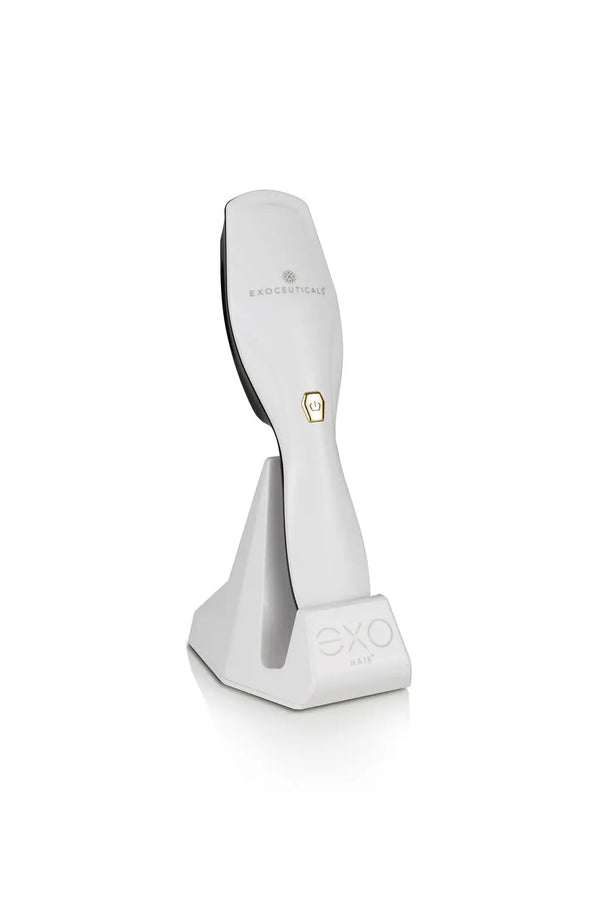

EXO HAIR™ Red Light LED Hair Brush
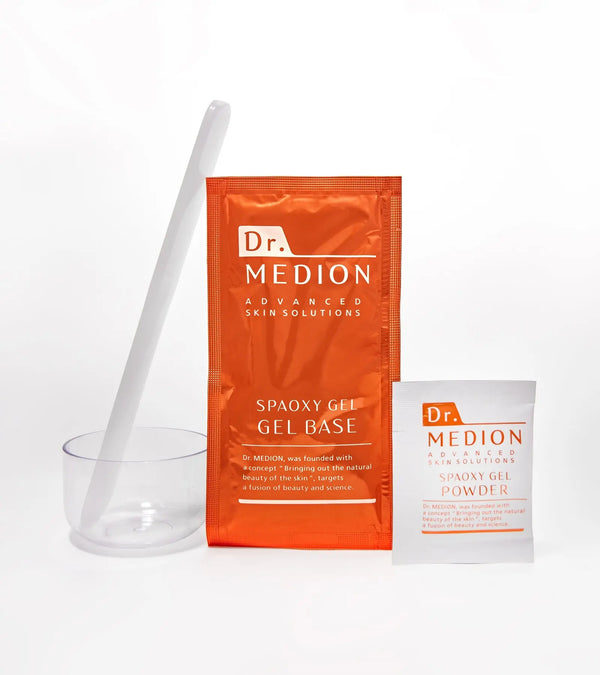

Dr. Medion Spaoxy Gel Carboxy Therapy Mask (3-Treatment Set)