

The Peptide Shift: RFK Jr., BPC-157, and the Vital Safety Checks You Can't Ignore
By Dr. Rocco Piazza, MDRecently, the conversation reached a boiling point when HHS Secretary Robert F. Kennedy Jr. made a massive announcement on episode #2461 of The Joe Rogan Experience. He publicly criticized FDA oversight and expressed his intent to reverse the ban on approximately 14 peptides, moving them from the restrictive Category 2 list back to Category 1.
Read the Gizmodo Breakdown Listen on Spotify
However, legal experts are quick to point out that public statements do not equal formal regulatory change. Until the FDA goes through formal administrative rulemaking, peptides like BPC-157 remain on the Category 2 list. But if this highly anticipated regulatory shift does eventually happen, licensed compounding pharmacies could once again legally prepare powerhouse peptides like BPC-157 with a physician's prescription. As the internet celebrates the potential return of these compounds, medical professionals are waving a massive yellow flag..."
BPC-157: A Heavyweight in Surgical Recovery
BPC-157 (Body Protection Compound-157) has earned a reputation as the "Wolverine peptide" for its profound ability to accelerate tissue repair, reduce inflammation, and heal tendons, ligaments, and the gut lining.
In the realm of plastic surgery and intense physical recovery, it’s a game-changer. Dr. Rocco Piazza, a board-certified plastic surgeon, has been a leading proponent of integrating BPC-157 into his surgical recovery protocols to help patients heal faster and more efficiently.
"As a surgeon, my ultimate goal isn't just a successful operation; it's a seamless, rapid, and comfortable recovery for my patients. That is why I have been at the forefront of utilizing BPC-157 in my post-op protocols. I've seen firsthand how this peptide can profoundly accelerate tissue repair and reduce inflammation, helping my patients bounce back faster than traditional methods alone allow.
However, the current wild west of 'gray market' peptides and unregulated prescribing terrifies me. BPC-157 is a powerful biological tool. If a patient has an underlying genetic condition like vHL or a history of cancer, taking this peptide is essentially pouring gasoline on a fire. This is why physician-led oversight, comprehensive bloodwork, and a rigorous deep-dive into a patient's medical history aren't just recommendations in my practice—they are absolute, non-negotiable requirements."

Hear Dr. Piazza break down the protocol and the science himself:
While the results can be near-miraculous for tissue regeneration, BPC-157 functions through a biological process called angiogenesis—the creation of new blood vessels. This brings vital oxygen and nutrients to damaged tissues. However, this exact mechanism is why proper screening is imperative.
⚠️ The Crucial Warning: Cancer History and vHL
If you are considering systemic BPC-157 therapies, there are two absolute contraindications you must discuss with your doctor:
- Personal or Family History of Cancer: Because BPC-157 promotes angiogenesis, it doesn't selectively choose which cells to feed. If there are pre-existing or microscopic cancer cells in the body, the new blood vessels stimulated by the peptide could inadvertently feed a tumor, accelerating its growth.
- Von Hippel-Lindau (vHL) Disease: vHL is a rare genetic disorder that predisposes individuals to develop benign and malignant tumors made of newly formed blood vessels. Introducing a blood-vessel-promoting peptide to a patient with a VHL gene mutation is akin to pouring gasoline on a fire.
The Takeaway: Peptides are not "one size fits all." Comprehensive bloodwork and genetic history checks are non-negotiable first steps.

The Oral Alternative: Supplements vs. Injectables
While FDA regulations largely targeted compounding pharmacies creating injectable peptides for systemic healing, a parallel market exists for oral BPC-157 supplements. Because BPC-157 is a peptide fragment naturally found in human gastric juices, oral formulations are often designed specifically for gut health (repairing the GI lining or reducing gut inflammation) rather than repairing a torn rotator cuff.
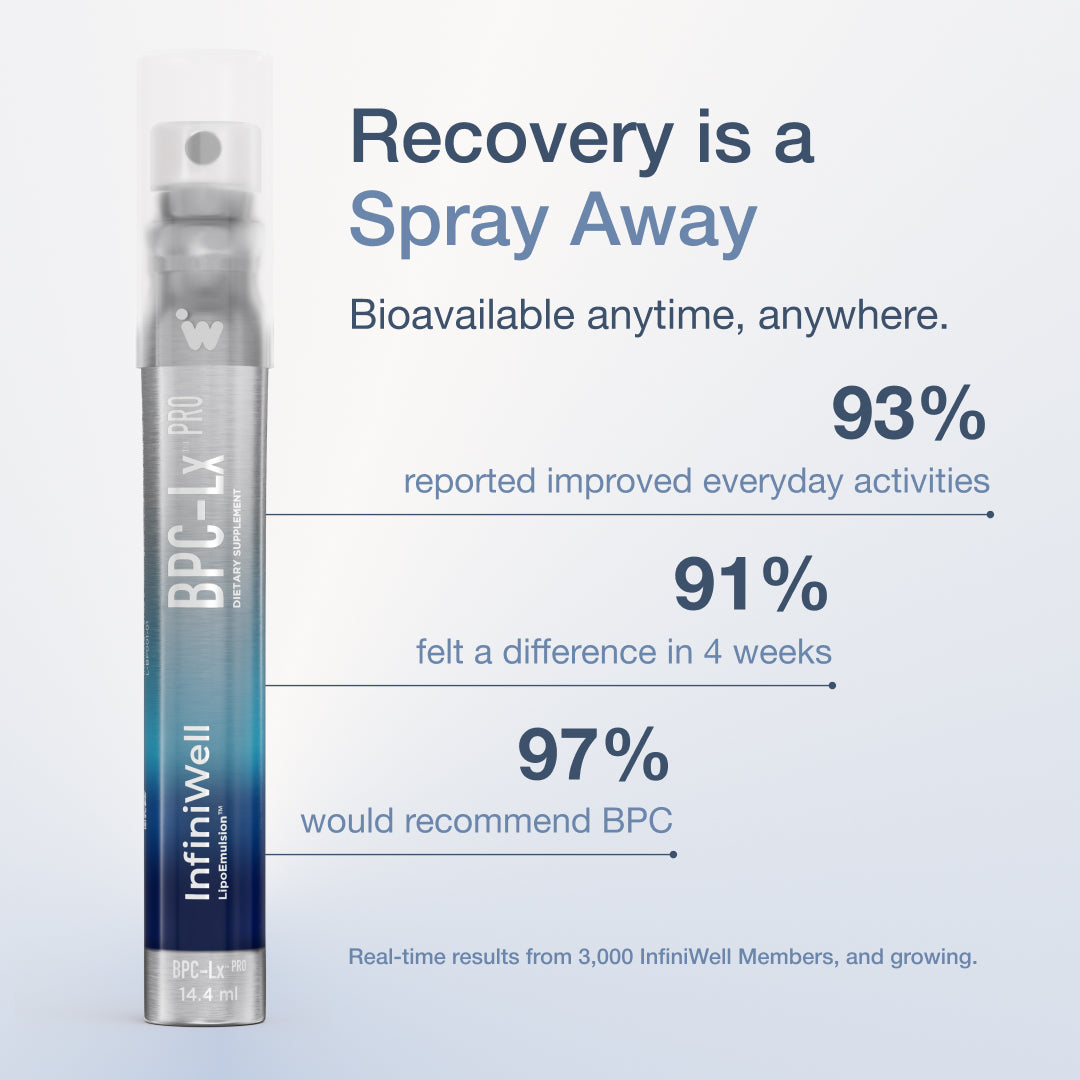
If you and your physician determine that an oral route is appropriate, InfiniWell is widely recognized as a premium standard. They utilize BPC-157 Arginate Salt, engineered to be more stable in stomach acid.
Sourcing Matters: Steer Clear of the Gray Market
When the FDA originally restricted these peptides, it inadvertently fueled a dangerous "gray market." People began buying unregulated research chemicals online with zero quality control, risking contamination and dangerous impurities.
Whether you are looking into oral supplements or waiting for the legal return of compounded injectables, you must work with reputable clinical teams.
Our Clinical Recommendation: If you are exploring peptide therapies safely, Celia Health is a phenomenal online resource. They work directly with clinical teams to ensure safe, legal, and medically sound protocols.

View the Celia Health Snapback Stack
Q&A: Peptides, Policy, and Precautions
Disclaimer: This post is for informational purposes only and does not constitute medical advice. Always consult with a licensed healthcare provider before beginning any peptide therapy or supplementation.
