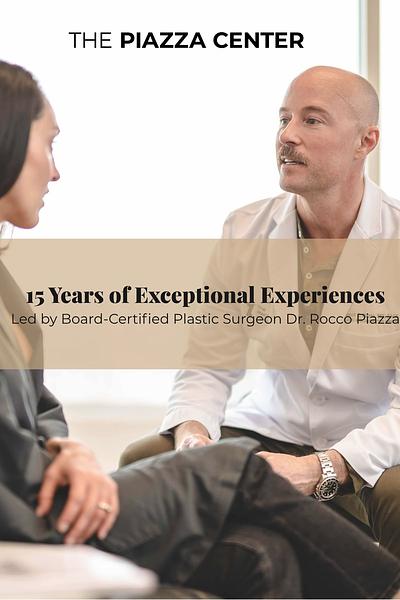

Jeremy Renner, Recovery with BPC-157: What Patients Are Asking Dr. Piazza
Why Jeremy Renner’s Recovery Story Triggered New Searches for BPC-157
Following Jeremy Renner’s widely publicized rehabilitation after a severe accident, a wave of wellness content began linking “elite recovery” and regenerative tools—including BPC-157. It’s important to be clear: public internet content is not the same as medical evidence, and celebrity narratives often spark interest in injectables and peptides that are still considered experimental.
Major outlets have recently emphasized growing celebrity/influencer-driven demand for injectable peptides alongside physician concerns about safety, standardization, and unapproved use. :contentReference[oaicite:0]{index=0}
In an Instagram post, Jeremy Renner shared a bit about his recovery journey here with peptides.
What Is BPC-157?
BPC-157 is a peptide that has been studied primarily in preclinical (animal) models for its potential role in tissue repair signaling, connective tissue support, and gut integrity pathways. Interest has grown in sports medicine and recovery communities, but it’s critical to understand that much of the promising data is not based on large randomized human trials.
For a deeper breakdown, start here: What Is BPC-157? (The Piazza Center Guide)
A 2025 review in orthopaedic sports medicine literature highlights that evidence is largely preclinical while noting increasing real-world use. :contentReference[oaicite:1]{index=1} Another 2025 commentary cautions against recommending BPC-157 for performance/recovery in the absence of randomized controlled trials. :contentReference[oaicite:2]{index=2}

Dr. Piazza’s Take on BPC-157: Real Authority Over Hype
At The Piazza Center, we don’t treat BPC-157 as a “magic fix.” We treat it as a tool patients ask about—often after hearing podcast, influencer, or celebrity-adjacent recovery claims.
“My job is to separate trending recovery talk from what’s clinically appropriate for a real human with real risk factors. If someone is considering BPC-157, we talk about safety, sourcing, delivery method, and whether it’s even appropriate.”
— Dr. Rocco Piazza
The key issues Dr. Piazza prioritizes:
- Appropriateness: Not everyone is a candidate for peptide support.
- Quality & sourcing: Mislabeling and unregulated supply chains are a real concern in the broader peptide market. :contentReference[oaicite:3]{index=3}
- Delivery method: Oral support vs. prescription-based injectable therapy are not interchangeable.
- Cycling: Many protocols are not intended to be taken continuously.
BPC-157 for Recovery: Oral Supplement Support vs. Prescription Injectable Options
Option 1: Oral Peptide Support (Supplement Pathway)
For individuals seeking non-injectable, supplement-based support, The Piazza Center now carries BPC-LX™ Pro Oral Peptide Spray (Infiniwell). This is a convenience-first pathway for people who want to integrate peptide support into recovery and gut-forward routines.
- Non-injectable oral spray format
- Designed for easy protocol integration
- Best used with consistency and responsible cycling
Note: This is sold as a dietary supplement and is not intended to diagnose, treat, cure, or prevent any disease.
Option 2: Prescription Injectable BPC-157 (Medical Oversight Required)
If someone is specifically seeking injectable BPC-157, that should only be pursued through a legal, prescription-based pathway with appropriate medical oversight.
The Piazza Center offers a prescription partnership through Celia Health: Celia Health + The Piazza Center
This pathway typically includes medical evaluation, provider oversight, and regulated pharmacy fulfillment. (Injectables are not supplements.)
Why Celebrity Recovery Stories Shouldn’t Become DIY Protocols
Even when a “recovery stack” goes viral, it doesn’t replace fundamentals: surgery/medical care, physical therapy, nutrition, sleep, and time. Peptides like BPC-157 may be discussed as supportive tools, but the evidence base and safety considerations matter—especially for injectables.
If you’re seeing content tying Jeremy Renner’s recovery to peptides, treat it as a prompt to seek expert guidance—not a dosing blueprint. (We also shared a short educational post here: Instagram: Recovery Culture & Peptides.)

BPC-157 Safety, Cycling & Disclaimers
Important Safety Notice
- Do not use peptide products if you have a history of cancer, tumorous growth conditions, or genetically linked tumor syndromes.
- Do not use during pregnancy or while breastfeeding.
- Stop use if you experience adverse effects and consult a healthcare professional.
Supplement & Medical Disclaimer
This product is sold as a dietary supplement. The information in this article is for educational purposes only and is not intended to diagnose, treat, cure, or prevent any disease. Always consult your primary care physician (or qualified healthcare provider) before starting any supplement or peptide protocol— especially if you have a medical condition or take prescription medications.
Experimental Use Notice
BPC-157 is considered experimental and is not FDA-approved as a drug for recovery indications. Evidence frequently discussed online may be preclinical or preliminary, and human data remains limited. :contentReference[oaicite:4]{index=4}
FAQs About BPC-157 (Quick Answers)
Is BPC-157 FDA-approved for recovery?
No. BPC-157 is considered experimental and is not FDA-approved as a drug for recovery indications.
What’s the difference between oral peptide support and injectable BPC-157?
Oral options are typically sold as supplements and may be used as general support tools. Injectable BPC-157 is a prescription pathway that should be pursued only under medical oversight.
Why is medical guidance important with BPC-157?
Candidate selection matters (especially cancer risk), sourcing matters, and evidence quality varies. Physician oversight helps reduce risk and misinformation.
Where can I learn the basics before choosing a pathway?
Start with our guide: What Is BPC-157?